Author: foresight99

  • Top 5 Mumbai Real Estate Trends for 2026

    Top 5 Mumbai Real Estate Trends for 2026

    Navigating Mumbai’s Ever-Evolving Property Landscape

    Mumbai’s real estate market remains one of the most resilient and complex in India, shaped by a confluence of supply constraints, infrastructural advancements, and shifting buyer priorities. With limited land availability in prime precincts like South Mumbai and BKC, prices continue to climb, driven not just by demand but by strategic location advantages and long-term appreciation potential. For investors and homebuyers alike, staying ahead means understanding not just where the market is today, but where it’s headed in 2026.

    This year will bring pivotal changes—from the impact of completed metro lines in the Western and Eastern suburbs to the rise of mixed-use developments in Navi Mumbai and Thane. Buyer preferences are also evolving, with a stronger emphasis on sustainability, smart home integration, and flexible living spaces. Those who leverage timely insights gain a competitive edge in negotiation, timing, and portfolio growth.

    In the sections that follow, we’ll explore five key trends set to define Mumbai’s property market in 2026, offering actionable strategies for identifying high-growth zones, evaluating new development risks, and aligning purchases with both lifestyle needs and investment goals. Whether you’re buying a first home or expanding an investment portfolio, understanding these shifts is essential to making informed, future-ready decisions.

    1. Rise of Transit-Oriented Developments Reshaping Mumbai’s Growth Corridors

    Mumbai’s evolving real estate landscape in 2026 is increasingly shaped by transit-oriented development (TOD), where proximity to metro stations, upcoming coastal roads, and extended rail networks drives property valuation. Areas surrounding metro Line 2B (Dahanukar Wadi–Kanjurmarg) and the即将 operational Line 3 (Colaba–Bandra–SEEPZ) are witnessing rapid redevelopment, attracting both institutional investors and mid-income buyers. These zones offer strong appreciation potential due to decongested commutes, enhanced connectivity, and government-backed infrastructure momentum.

    For homebuyers and investors, this means evaluating properties not just on current livability but on future accessibility. Projects within 500 meters of planned metro stations in suburbs like Kandivali, Bandra East, and Aarey Milk Colony are commanding price premiums of 10–15% over comparable units further away. Additionally, mixed-use developments combining residential towers with retail and co-working spaces are emerging near transit hubs, creating self-sustained micro-communities.

    Tip: Prioritize areas with confirmed completion timelines for transit projects rather than proposed routes. Leverage location analytics to compare time-to-transport nodes and assess rental yield potential in high-mobility zones.


    2. Smart Building Integration Becomes a Standard in Premium Mumbai Projects

    In 2026, smart infrastructure is no longer a luxury—it’s a baseline expectation in new residential and commercial developments across South Mumbai, BKC, and Navi Mumbai. Developers are embedding IoT-enabled systems for centralized access control, AI-driven energy management, and predictive maintenance, directly influencing buyer preferences. These technologies enhance security, reduce utility costs, and improve long-term asset value.

    Home automation—from voice-controlled lighting to integrated home health monitoring—is now being bundled into launch offers, especially in units priced above ₹2.5 crore. For buyers, this shift means assessing not just floor plans and views, but also digital readiness of buildings, including data infrastructure, cyber-secure gateways, and scalability of systems.

    Tip: When evaluating smart towers, ask about interoperability standards (such as compatibility with Google Home or Apple HomeKit), power backup for servers, and service-level agreements (SLAs) for tech support. Buildings with certified green ratings (like IGBC or GRIHA) paired with smart ecosystems offer stronger ROI and tenant retention in prime markets.

    6. Smart Infrastructure Integration: The New Benchmark for Premium Valuation

    Mumbai’s real estate landscape is undergoing a tech-driven transformation, where properties integrated with smart infrastructure are commanding higher premiums and faster turnovers. From AI-enabled security systems and automated parking to energy-efficient building management systems (BMS), homes and commercial spaces with embedded technology are setting new benchmarks in desirability—especially in high-demand corridors like BKC, Powai, and the Western Suburbs.

    Buyers today are not just evaluating square footage—they’re assessing digital livability. This includes real-time building health monitoring, IoT-connected home automation, and seamless integration with citywide digital services. Projects with pre-wired smart ecosystems attract investor interest not only for lifestyle appeal but also for long-term asset sustainability and lower operational costs.

    Pro Tip: When evaluating a property, inquire about future-proofing upgrades like fiber-optic readiness, EV charging integration, and Wi-Fi 6 coverage. These features enhance rental yields and resale potential, positioning assets ahead of regulatory shifts toward green and smart building standards.

    7. Redevelopment Momentum in Tier-2 Suburbs: Unlocking Hidden Equity

    As prime areas hit saturation, Mumbai’s next wave of appreciation is being driven by redevelopment activity in tier-2 suburbs such as Kurla, Kandivali, and Chembur. Aging housing societies and obsolete commercial structures are being converted into high-rise, mixed-use towers with modern amenities—spurring sharp increases in land value and investor ROI.

    These micro-redevelopment hubs benefit from proximity to transit nodes, easing commuter burden while offering relatively affordable entry points. Watch for areas experiencing multiple society approvals under DD Raval committee guidelines—clusters of approvals often signal a tipping point in market momentum.

    Strategic Move: Use redevelopment timelines as a valuation lens. Properties in zones with approved or near-finalized plans can offer pre-appreciation gains, but always validate civic clearance stages to avoid liquidity traps.

    5. Rise of Hybrid Workspaces and Mixed-Use Developments

    Mumbai’s evolving urban rhythm is giving rise to a transformative trend: the integration of living, working, and leisure within single, intelligently designed ecosystems. As remote and hybrid work models become permanent fixtures, developers across South Mumbai, BKC, and Navi Mumbai are prioritizing mixed-use projects that combine residential units with co-working lounges, retail pods, and wellness centers. These environments reduce commute dependency and enhance lifestyle efficiency—offering residents everything from home offices to networking hubs under one roof.

    This shift is reshaping neighborhood dynamics. Areas once considered purely residential—like Khar, Ghatkopar, and Thane—are now witnessing vertical developments with commercial zoning, increasing foot traffic and local economic activity. Similarly, new tower designs incorporate soundproofed work pods, high-speed fiber infrastructure, and shared meeting spaces—amenities now seen as essential, not optional.

    For buyers and investors, this means evaluating properties not just on location and price per square foot, but on functional adaptability. Look for buildings with:

    • Flexible floor plans suitable for dual residential-office use
    • RERA-approved commercial licenses within residential towers
    • Smart building systems supporting energy and access management

    These hybrid models aren’t just a response to lifestyle changes—they’re boosting long-term asset value by aligning with future-ready urban planning. As Mumbai densifies, properties integrating multiple uses will lead appreciation trends.

    How Mumbai’s 2026 Real Estate Trends Impact Your Investment Decisions

    Will property prices in Mumbai continue to rise in 2026?
    Yes, sustained appreciation is expected, particularly in infrastructure-linked corridors like the Mumbai Metro Line 3 belt (Colaba-Bandra-Seepz), Navi Mumbai’s upcoming smart city zones, and areas benefiting from the Coastal Road project. While citywide averages may moderate due to economic headwinds, micro-markets with improved connectivity, decongestion, and mixed-use development approvals are likely to outperform. Investors focusing on long-term holding should prioritize locations with upcoming civic projects over speculative hotspots.

    Is now a good time to buy a home in Mumbai for personal use?
    For owner-occupiers, timing depends on individual readiness and locality-specific inventory. Supply constraints in South Mumbai and premium western suburbs have kept resale prices resilient, making early entry advantageous. Meanwhile, possession-delayed under-construction projects in Thane and Kalyan offer entry-level value—but require rigorous due diligence on RERA compliance and builder track record. Prioritize move-in-ready units or near-possession projects to avoid holding costs.

    How will new infrastructure shape Mumbai’s property hotspots?
    The 2026 landscape will be defined by transit-oriented development. Metro-adjacent nodes like Aarey, Ghatkopar, and Sewri are emerging as high-potential investment zones. Properties within 1 km of upcoming metro stations typically see 15–25% premium revaluation post-launch. Similarly, the Navi Mumbai International Airport and PCMC-Pune Metro extension will amplify cross-city investment flows into Panvel and Ulwe.

    Are rental yields improving in Mumbai’s residential market?
    Rental growth remains steady but moderate, with average yields between 2.5% and 3.5% in established neighborhoods like Bandra, Andheri, and Lower Parel. High-demand micro-markets near business clusters (BKC, Powai IT parks) and educational institutions (South Mumbai colleges) show stronger tenant retention and rental upside. For yield-focused investors, compact 1BHK and 2BHK units in well-connected mid-rises offer better cashflow than luxury penthouses.

    What risks should investors watch for in 2026?
    Key risks include delayed project completions, regulatory scrutiny on FSI violations, and liquidity crunches in overleveraged developer portfolios. Secondary market transactions may face extended closing cycles due to title verification delays and financing bottlenecks. Conducting pre-purchase legal audits and prioritizing RERA-compliant projects minimizes exposure.

    How does sustainability impact new property valuations?
    Green-rated buildings (IGBC or GRIHA certified) are commanding rental and capital value premiums of 10–15% in premium suburbs. Features like energy-efficient façades, water recycling, and EV charging infrastructure are increasingly factored into valuation models. Buyers and investors should consider long-term TCO (total cost of ownership) benefits when evaluating new developments.

    Should I invest in commercial or residential real estate in Mumbai?
    Hybrid strategies are gaining traction. While Grade A office spaces in BKC and Nariman Point offer stable yields, flexible workspaces and suburban business hubs (e.g., Malad, Kandivali) present growth opportunities. Residential remains a preferred entry point, but mixed-use developments with retail and co-working components provide diversification and downside protection in volatile cycles.

    Why Navigating Mumbai’s 2026 Property Trends Demands Expert Guidance

    As Mumbai’s real estate landscape evolves in 2026, staying ahead means more than tracking prices—it requires interpreting trends, timing entries, and understanding how policy, infrastructure, and buyer behavior converge across suburbs. From the surge in demand for transit-linked properties near upcoming metro corridors to the growing preference for sustainable, tech-integrated homes in areas like BKC and Navi Mumbai, each trend presents both opportunities and complexities. Off-market deals are becoming more common, while RERA-compliant project transparency reshapes buyer confidence. Meanwhile, shifting work patterns continue to influence space preferences, boosting hybrid-use developments in zones like Powai and Thane.

    This dynamic environment underscores the critical role of an experienced real estate consultant. They don’t just provide access—they analyze micro-market data, assess project viability, and align your goals with actionable strategies. Whether you’re evaluating appreciation potential in emerging nodes or structuring a tax-efficient purchase in South Mumbai, expert insight helps you avoid missteps and capitalize on momentum.

    Actionable next steps:

    • Audit your investment goals against current market shifts
    • Seek advisors with verifiable local expertise and structured reporting
    • Prioritize transparency in fees, project affiliations, and due diligence

    Making informed decisions in Mumbai’s competitive property scene starts with the right guidance. Connect with a trusted consultant today to confidently navigate 2026’s biggest opportunities.

  • What Makes Foresight Different as Mumbai RE Advisors

    What Makes Foresight Different as Mumbai RE Advisors

    Why Mumbai’s Real Estate Decisions Demand a Smarter Approach

    In a city where property values shift faster than monsoon winds, making informed real estate decisions in Mumbai isn’t just an advantage — it’s a necessity. With limited land, dense competition, and evolving regulatory landscapes, investors and developers face mounting pressure to act on more than intuition or outdated market anecdotes.

    What if every recommendation could be rooted in current market dynamics, granular locality insights, and forward-looking analysis? This is where a research-led advisory model becomes transformative. Unlike generic guidance, data-driven strategies help anticipate neighborhood evolution, identify undervalued zones, and assess project feasibility with greater precision.

    You’ll learn how integrating deep market intelligence into real estate planning reduces risk, uncovers hidden opportunities, and aligns investments with long-term trends — especially in high-stakes environments like South Mumbai, Bandra, or the emerging corridors of Navi Mumbai.

    We’ll explore how structured research helps clarify investment priorities, interpret policy impacts, and evaluate development potential across residential, commercial, and mixed-use assets. Whether you’re assessing a boutique acquisition or planning a large-scale project, understanding the mechanics behind market movements is essential.

    By the end, you’ll see why process and insight matter as much as property in achieving sustainable returns.

    How Data-Backed Insights Shape Smarter Mumbai Real Estate Decisions

    Navigating Mumbai’s dynamic property market demands more than intuition—it requires a structured, research-driven approach grounded in real-time data and historical trends. Successful property evaluation hinges on analyzing multiple layers of information, from micro-market fluctuations in suburbs like Bandra, Andheri, or South Mumbai to macroeconomic factors influencing buyer behavior. A disciplined process begins with collecting verified data on recent transaction volumes, pricing benchmarks, rental yields, and inventory levels across residential and commercial segments. This information is then cross-referenced with infrastructure developments, regulatory changes, and demographic shifts shaping demand.

    Advanced market analysis also incorporates qualitative inputs such as project reputation, builder credibility, and neighborhood livability metrics like connectivity, schooling, and safety. Geospatial tools help assess proximity to upcoming metro lines, business hubs, and civic amenities—factors that directly impact long-term value appreciation. By synthesizing quantitative analytics with on-ground validation, investors can identify undervalued opportunities and avoid overpriced assets vulnerable to corrections.

    For property buyers and investors, adopting this evidence-based methodology reduces guesswork and enhances decision confidence. Whether evaluating a high-rise in Worli or a suburban development in Thane, leveraging comprehensive research ensures alignment with financial goals and market realities. Understanding these principles empowers stakeholders to ask the right questions and demand transparency in every deal.

    How Mumbai Investors Can Avoid Costly Property Mistakes

    Real estate decisions in a dynamic market like Mumbai demand more than intuition—they require structured analysis. Every property deal carries inherent risks, from legal complications to inaccurate valuations, but a disciplined assessment framework can minimize exposure. Smart investors prioritize due diligence that goes beyond surface-level inspections, incorporating systematic checks at every stage.

    Start by verifying all title documents for clear ownership and encumbrances, ensuring no legal disputes cloud the transaction. Next, assess the property’s compliance with local development regulations—particularly RERA registration status and adherence to FSI norms, which are critical in high-density areas like South Mumbai and BKC. Environmental clearances and approved building plans should also be validated to avoid future penalties.

    Financial health checks are equally vital. Scrutinize income streams for rental properties, evaluate historical appreciation trends in the neighborhood, and benchmark against current market rates in zones like Andheri, Dadar, or Navi Mumbai. Always factor in hidden costs such as maintenance liabilities, transfer fees, and potential tax implications.

    Lastly, conduct physical inspections for structural integrity, material quality, and utility access—especially water supply, sewage, and electrical load capacity. Engaging qualified professionals for technical audits early in the process significantly reduces long-term liabilities and supports confident, informed decisions.

    How Deal Governance Builds Trust in Mumbai’s Real Estate Market

    Navigating real estate transactions in Mumbai requires more than just locating the right property—it demands a structured approach to accountability and transparency. Deal governance—a framework increasingly adopted by leading real estate advisory firms—ensures that every transaction follows a clear, auditable process from due diligence to closing. This system helps protect both buyers and sellers by minimizing ambiguity, reducing delays, and preventing disputes during high-stakes deals.

    Key components of effective deal governance include:

    • Defined approval workflows that outline who authorizes each stage of a transaction
    • Documented audit trails to track communication and decisions
    • Compliance checkpoints aligned with Maharashtra RERA regulations
    • Stakeholder alignment protocols ensuring all parties—from brokers to legal teams—are on the same page

    In fast-moving markets like South Mumbai or the Western Suburbs, governance frameworks prevent miscommunication and safeguard investor interests. Firms that embed governance into their advisory model reduce risk exposure while enhancing transaction velocity. Adopting these practices also supports smoother financing and valuation processes, particularly in joint development or pre-launch investment scenarios. For clients evaluating advisory partners, transparency isn’t just a promise—it’s a measurable standard built into every deal.

    7 Ways Structured Reporting Strengthens Real Estate Decision-Making in Mumbai

    In Mumbai’s fast-moving real estate market, where opportunities emerge and shift rapidly, making informed, defensible decisions is critical. Structured reporting transforms raw data into actionable intelligence, ensuring investors and developers can compare options efficiently and justify choices with confidence. Here are seven ways systematic documentation enhances decision quality in property investment and development:

    1. Standardized Performance Dashboards
      Create uniform dashboards that track KPIs like yield, cap rate, and occupancy trends across properties. This enables quick side-by-side comparisons of assets, even across different neighborhoods such as Lower Parel, Bandra, or Andheri.

    2. Centralized Document Repositories
      Store all feasibility studies, title reports, approvals, and market analysis in a single, organized system. This reduces time spent searching for data and ensures every stakeholder accesses the same up-to-date information.

    3. Version-Controlled Forecast Models
      Maintain dated iterations of financial models to track how assumptions evolve. Whether evaluating a land parcel in South Mumbai or a development project in Navi Mumbai, this creates an auditable trail of decisions.

    4. Automated Market Benchmarking
      Integrate tools that auto-populate benchmarks for rental rates, construction costs, and absorption timelines, localized to Mumbai submarkets. This grounds projections in current reality, not outdated estimates.

    5. Scenario Analysis Reporting
      Generate clear reports comparing best-case, base-case, and downside scenarios for development yields or investment returns, helping anticipate risks in volatile markets.

    6. Audit-Ready Decision Logs
      Document key decisions—such as land acquisition or financing strategy—with context, data sources, and stakeholders involved, making outcomes defensible during internal reviews or investor audits.

    7. Client-Facing Summary Briefs
      Convert complex analyses into digestible one-pagers that highlight rationale, risks, and expected outcomes—ideal for presenting options to partners or board members in high-stakes Mumbai deals.

    Frequently Asked Questions About Mumbai Real Estate Advisory Services

    How does professional real estate advisory differ from working with a standard property agent in Mumbai?
    Real estate advisory offers a consultative approach focused on strategy, risk assessment, and long-term value creation—going beyond transactional support. Advisors analyze market trends, evaluate project feasibility, and align investments with financial goals, while agents primarily facilitate buying and selling. In high-stakes markets like South Mumbai and BKC, this strategic layer ensures informed decision-making.

    What factors should investors evaluate when assessing advisory methodologies?
    Look for structured frameworks that incorporate location intelligence, project due diligence, regulatory compliance checks, and exit strategy planning. Strong methodologies integrate macroeconomic indicators with hyperlocal data—such as infrastructure developments in Eastern Suburbs or Coastal Road impact—providing a 360-degree view of investment viability.

    Why is localized market expertise critical for Mumbai property investments?
    Mumbai’s real estate landscape varies drastically between zones—from Colaba’s limited inventory to Thane’s emerging corridors. Expert advisors understand jurisdictional nuances, development authorities (like MHADA and CIDCO), and ward-specific bylaws that influence pricing, approvals, and appreciation potential.

    How can investors verify an advisor’s credibility without relying on brand names?
    Assess transparency in process, depth of documentation provided (comparative analyses, title reports, builder track records), and whether they encourage independent verification. Trustworthy advisors welcome due diligence and align recommendations with your risk appetite.

    What red flags should buyers watch for during the advisory process?
    Be cautious of one-size-fits-all recommendations, pressure to commit quickly, lack of written reports, or avoidance of questions about RERA registration status and OC timelines. A rigorous process includes scenario modeling and clear justification for each suggestion.

    Why Data-Driven Insight Matters in Mumbai’s Evolving Real Estate Landscape

    Navigating Mumbai’s dynamic property market demands more than intuition—it requires access to timely, accurate, and locally relevant data. With rapid urban development, shifting regulatory policies, and fluctuating investment trends, stakeholders need clarity to make informed decisions. A trusted real estate advisor doesn’t just offer opinions; they deliver insights grounded in market analytics, zoning intelligence, and demand forecasting tailored to Mumbai’s unique micro-economies. From assessing neighborhood appreciation potential to evaluating infrastructure-linked growth zones like Navi Mumbai and the Western Suburbs, data-backed guidance minimizes risk and highlights hidden opportunities.

    Key advantages of a strategic, analytical approach include:

    • Identifying undervalued areas before market revaluation
    • Forecasting rental yield trends using occupancy and migration patterns
    • Aligning property selection with long-term city development plans

    Whether you’re investing in residential portfolios, commercial spaces, or development land, leveraging expert analysis helps you move with confidence. Take the next step: assess your current strategy against verified market benchmarks, re-evaluate location priorities, and seek advisors who prioritize transparency, precision, and local expertise. In a city where timing and location are everything, informed decisions lead to lasting returns.

  • 5 Smart Steps to Choose the Right Property in Mumbai Without Overpaying

    5 Smart Steps to Choose the Right Property in Mumbai Without Overpaying

    5 Smart Steps to Choose the Right Property in Mumbai Without Overpaying

    Buying a home in Mumbai is a major financial decision, and the right property is not always the one with the biggest marketing campaign. For many buyers, the challenge is balancing budget, location, lifestyle needs, and long-term value without getting pushed into a rushed decision.

    At Foresight, we help buyers compare options with clarity and confidence. Here are five practical steps that can help you choose a property more wisely and avoid overpaying.

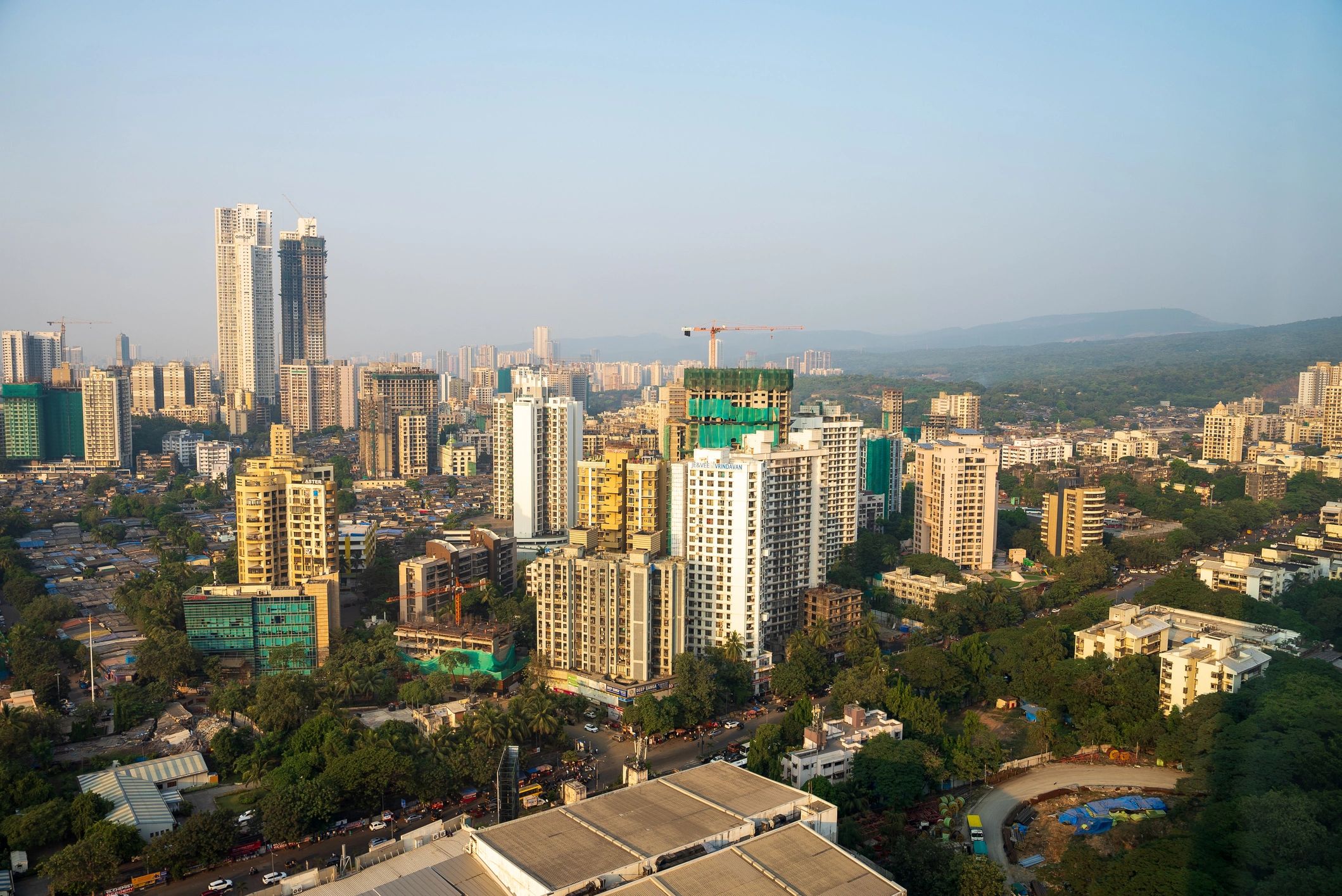
    Mumbai city skyline wide shot

    1. Start With Your Real Budget

    Your property budget should include more than the base price. Registration charges, stamp duty, floor rise, parking, clubhouse fees, GST where applicable, and interior costs can significantly affect the final number. A realistic budget helps narrow your search and prevents emotional decisions later.

    2. Compare Location Beyond the Pin Code

    Two projects in the same broad area can offer very different daily living experiences. Look at commute time, road connectivity, upcoming infrastructure, school access, retail convenience, and neighborhood growth potential. The right location should support both your current lifestyle and future resale value.

    3. Verify the Project Carefully

    Before moving forward, review the developer’s track record, project approvals, possession timelines, and the actual specifications being offered. Verified information matters more than brochure promises. A trusted advisory process can help you identify strong projects and avoid unnecessary risk.

    4. Match the Property to Your Goal

    A first home, an upgrade for your family, and an investment property should not be evaluated in the same way. Some buyers need better livability, while others prioritize rental demand or appreciation potential. Defining your goal early makes project comparisons more meaningful and saves time.

    5. Take a Structured Site Visit

    A site visit should answer specific questions, not just create excitement. Check the approach road, surrounding development, sample flat quality, layout efficiency, ventilation, amenities, and the actual stage of construction. A guided site visit often reveals details that are easy to miss when visiting alone.

    The best property decision is rarely the fastest one. It is the one made with the right information, clear comparisons, and confidence in the long-term value.

    How Foresight Helps

    Foresight supports Mumbai buyers with property consultation, site visit coordination, project comparisons, and investment-focused guidance. Our goal is to help you choose a premium property that fits your needs without paying more than you should.

    If you are exploring homes in Mumbai, Thane, or nearby growth areas, expert guidance can make the process simpler, faster, and more confident.

Compare